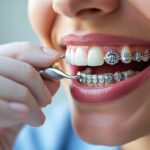
When faced with a failed maxillo-facial operation, you experience a mix of physical pain, aesthetic impact and psychological upheaval. This intervention, which is essential to correct malformations or functional disorders in the face and jaw, can sometimes lead to unsatisfactory results or complications. The causes are multiple, ranging from insufficient preparation to technical errors, and their consequences often go beyond mere medical dimensions. A good control of legal remedies becomes essential in order to defend your rights and consider a suitable remedy. To illuminate your path, we will address the following axes:
- Accurate identification of causes of failure in maxillofacial surgery
- In-depth analysis of physical, functional and psychosocial consequences
- Exploring medical and surgical solutions to correct these failures
- Presentation of legal approaches and remedies
- Tips to prevent these failures and choose your surgeon
Let us work together on these tracks to better understand, anticipate and respond to this complex situation.
Essential causes of missed maxillofacial surgery: understand medical factors and frequent errors
Maxillofacial surgery involves extreme surgical precision given the anatomical complexity of the face and jaws. Operational failure is often multifactorial, resulting from a chain of elements ranging from diagnosis to post-operative rehabilitation. The starting point is a rigorous functional and anatomical diagnosis. A poorly evaluated case, especially in severe malocclusions (such as hyperdivergent class II), exposes to an increased risk of recidivism, estimated at 25-30%. This phenomenon illustrates the importance of rigorous orthodontic preparation before intervention.
For example, when orthodontic planning fails to properly align teeth, jaw stability remains compromised, creating a failure in the medium term. This initial defect is often accentuated by a lack of close coordination between surgeons and orthodontists, which is crucial to the success of the procedure.
Technical complications frequently arise during the surgical procedure itself. Of these, approximate bone cuts or poor repositioning of mandibulal segments result in significant facial asymmetry. The lower alveolar nerve remains particularly exposed, with lesions causing numbness in 2 to 5% of cases, a disability that may be permanent. For example, during a mandible procedure, inadequate fixation of bone segments caused disunity, which necessitated costly and anxiety-free surgical recovery.
Biological factors also play an important role in the outcome of the operation. Smoking, inadequate lifestyle or poor nutrition slow bone healing. A recent study showed that in smoking patients, the risk of postoperative infection increased by 7%, resulting in longer bone consolidation delays and exposure to more severe complications. These elements external to the operating room can significantly influence the final results.
To better visualize the extent of the causes of error, the following is a clear list of the main factors identified:
- Initial incomplete or erroneous diagnosis
- Inadequate orthodontic preparation
- Operational technical errors (cuts, fixing, positioning)
- Unanticipated nerve damage
- Absence or insufficient follow-up and post-operative care
- Adverse biological factors (tobacco, nutrition, general condition)
This precise knowledge of the causes allows for a better anticipation of the risks and leads to preventive measures to be applied before any intervention.
Post-operative consequences after missed maxillofacial surgery: physical, functional and psychological impacts
The consequences of failed maxillofacial surgery are not limited to mere aesthetic disappointment. They include a range of disorders that affect the function, mental health and overall quality of life of patients. Among these complications, post-operative infections account for 3 to 8% of cases and often require antibiotic treatment or even surgical recovery to eliminate infectious outbreaks. Their rigorous monitoring is an essential element to avoid serious sequelae.
Nervous injury is a crucial part of operational failure. Specifically, temporary numbness is observed in 15 to 20% of patients, generally falling within 6 to 12 months. However, 2 to 5% suffer from permanent sensory loss, resulting in a significant functional impairment in the lower lip and chin. These altered sensations often disturb the social and professional life of patients, their morals being greatly affected.
Another major difficulty is masticatory disorders. Between 10 and 15 per cent of patients who have surgery experience muscle pain, disturbed swallowing and unstable occlusion, which limits their food capacity. These chronic symptoms require prolonged functional rehabilitation and sometimes corrective interventions.
Beyond physics, psychological impact is decisive. A marked facial asymmetry or an aesthetic result that does not meet expectations results in severe emotional shock. Many of the patients we have accompanied who show a loss of confidence in them, combined with progressive social isolation. Anxiety and depression are common, especially in people who face multiple corrective interventions without definitive success.
| Type of complication | Frequency | Consequences |
|---|---|---|
| Postoperative infections | 3-8 % | Antibiotic treatment, possible surgical recovery |
| Temporary numbness (nerve injury) | 15-20 % | Return of sensitivity in 6-12 months |
| Definitive sensory loss | 2-5 % | Permanent functional disability |
| Masticatory disorders | 10-15 % | Functional rehabilitation required |
This global vision helps to better understand the extent of the consequences and reinforces the importance of comprehensive support, including medical care and adapted psychological support.
Medical solutions and options to correct missed maxillofacial surgery
In the face of an operational failure, the notion of reparation is at the heart of the concerns. It should be noted that a correction is possible in the vast majority of cases, but requires meticulous evaluation and an experienced surgical team. A waiting period of 6 to 12 months is generally recommended to allow optimal healing before any attempt at recovery. This therapeutic break is essential to avoid aggravating complications.
Assisted 3D planning technologies revolutionize this evaluation phase. They offer a detailed visualisation of the distorted areas and help anticipate the necessary interventions with unparalleled accuracy. This preparation aims to limit unforeseen events and to optimize the chances of success.
Le choix du chirurgien pour la reprise joue un rôle déterminant. Dans nos expériences, il est préférable qu’un praticien distinct de celui ayant réalisé l’opération initiale prenne en charge la correction. Ce regard neuf, allié à un savoir-faire renouvelé, permet d’adapter la méthode aux contraintes spécifiques résultant des cicatrices ou de la modification de la densité osseuse.
Une approche pluridisciplinaire est essentielle pour obtenir des résultats stables et satisfaisants. L’alliance d’orthodontistes, kinésithérapeutes, psychologues et nutritionnistes crée un environnement propice à la récupération fonctionnelle et émotionnelle. Le suivi post-opératoire doit être intensif, incluant des séances régulières de rééducation pour restaurer la mastication et la mobilité faciale.
- Phase d’évaluation clinique et radiologique approfondie
- Planification 3D collaborative entre spécialistes
- Délai de cicatrisation respecté avant réintervention
- Intervention corrective par un chirurgien expert différent
- Suivi post-opératoire intensif et rééducation multidisciplinaire
- Accompagnement psychologique continu
Legal remedies in case of operational failure in maxillofacial surgery: rights and procedures
Après une opération maxillo-faciale ratée, s’informer sur les recours juridiques disponibles est une étape obligatoire pour ne pas rester dans l’ombre de votre préjudice. La nature du litige détermine le parcours conseillé. S’agit-il d’une faute médicale identifiable ou d’un aléa thérapeutique imprévisible ?
La première démarche consiste souvent à saisir la Commission de Conciliation et d’Indemnisation (CCI). Cette procédure amiable est gratuite et propose une expertise indépendante. Elle permet de faire reconnaître les dommages corporels subis et d’évaluer une indemnisation adaptée sans passer par une longue procédure judiciaire.
Dans le cas où une faute médicale est clairement établie, une action en responsabilité civile peut être lancée. Le délai de prescription est de 10 ans à partir de la consolidation des troubles. L’accompagnement par un avocat spécialisé en droit médical est crucial pour constituer un dossier solide, collecter les expertises médicales et défendre vos intérêts efficacement.
Si aucune faute n’est démontrée, l’Office National d’Indemnisation des Accidents Médicaux (ONIAM) propose un dispositif alternatif. Celui-ci indemnise les patients victimes d’un aléa thérapeutique, dès lors que le préjudice est grave. Cette solution garantit une forme de justice réparatrice même lorsque la responsabilité du chirurgien ne peut être retenue.
Une constitution rigoureuse du dossier médical est la clé de voûte de toute procédure. Il doit contenir :
- Les comptes-rendus opératoires détaillés
- Imageries et radiographies pré et post opératoires
- Photographies documentant l’évolution des complications
- Journal précis des symptômes ressentis au quotidien
- Témoignages de proches sur l’impact de la situation
- Factures des traitements supplémentaires et frais annexes
Une action entreprise rapidement optimise les chances d’aboutir à une indemnisation juste et complète.
Prevention of maxillofacial surgery failures: choosing your surgeon and maximizing chances of success
Prévenir un échec d’opération maxillo-faciale dépend en grande partie du chirurgien sélectionné et de la qualité du parcours préopératoire. Les qualifications du praticien, son expérience et sa spécialisation sont des critères non négociables. Nous recommandons de privilégier un chirurgien inscrit au conseil de l’ordre, diplômé dans cette spécialité spécifique et avec des références attestées sur des cas similaires.
Le lieu de réalisation de l’intervention doit offrir un plateau technique moderne et une équipe multidisciplinaire. Cette organisation assure la coordination entre chirurgien, orthodontiste, anesthésiste et kinésithérapeute, garantissant un suivi complet et sécurisé.
Lors de la consultation initiale, il convient de poser des questions ciblées :
- Quels risques spécifiques mon cas présente-t-il ?
- Comment sera organisée la préparation orthodontique ?
- Quel suivi postopératoire est prévu pour prévenir les complications ?
- Existe-t-il des alternatives non chirurgicales adaptées ?
- Puis-je consulter des résultats ou témoignages d’anciens patients ?
Face à un projet chirurgical complexe, un second avis est toujours recommandé. Vous devez vous sentir pleinement informé et en confiance, éléments indispensables pour accepter sereinement cette expérience importante.
Quelques chiffres pour orienter votre choix : environ 5 à 15 % des opérations maxillo-faciales comportent un risque de complications, et 10 à 30 % peuvent présenter une récidive selon la nature du trouble corrigé. Choisir un spécialiste compétent, impliqué et transparent reste la première garantie pour minimiser ces risques.